Concrete footings in Redondo Beach CA - a base sized for the ground under it
Planning an addition or a wall and unsure what your ground can carry? We start with the soil, then pour footings to match.
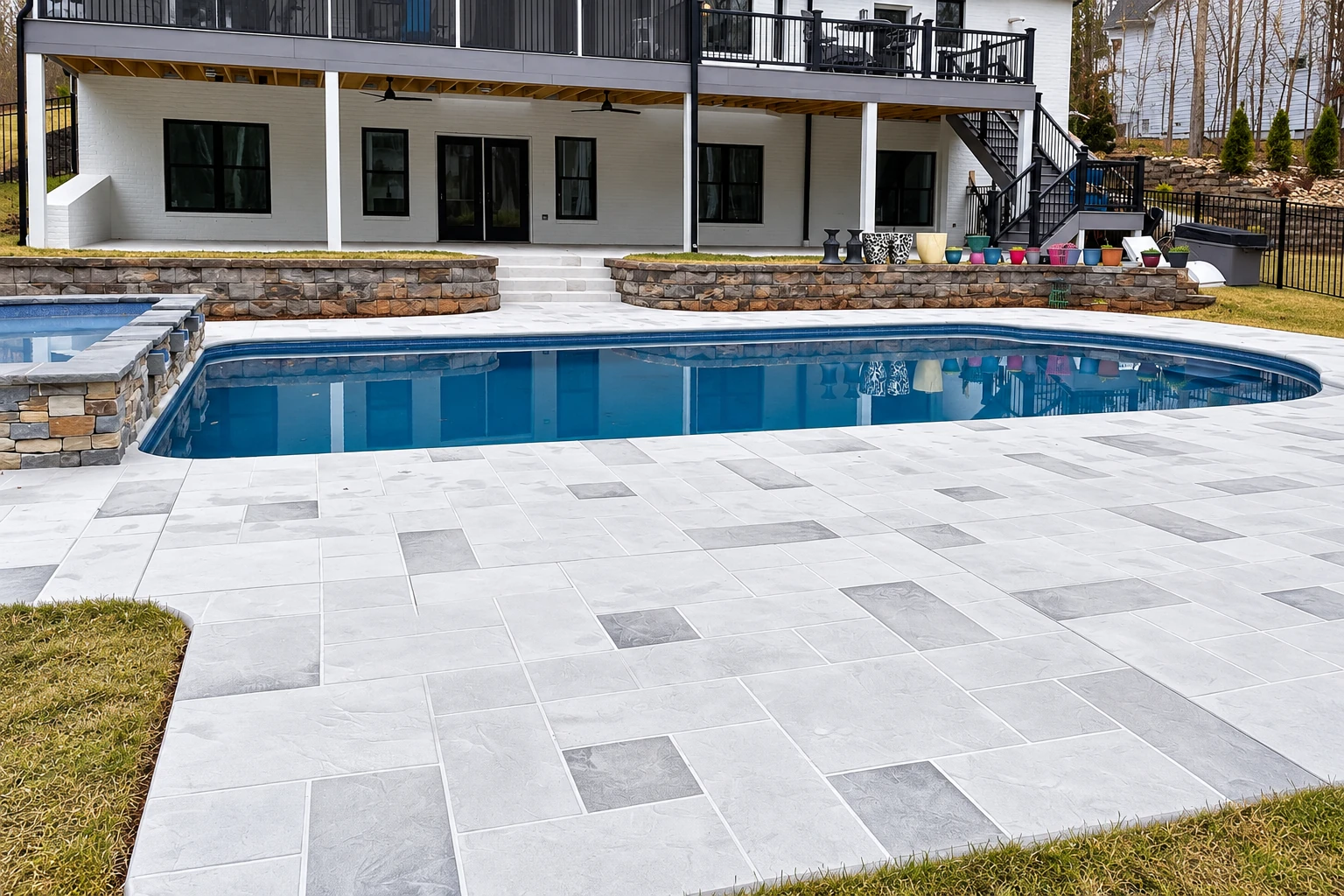
Concrete footings that carry the load
A concrete footing is the wider base under a foundation, wall, pier or post, and it spreads that weight into the soil. When a footing is undersized for the ground, the structure above can settle and crack, and if that has already happened to your house, foundation raising is the work to look at.
For new concrete footings in Redondo Beach, I'd rather understand the ground before we size anything. Footing size drives the cost, and the schedule usually waits on the soil question and the permit, so our estimate lays out how each one affects your job.
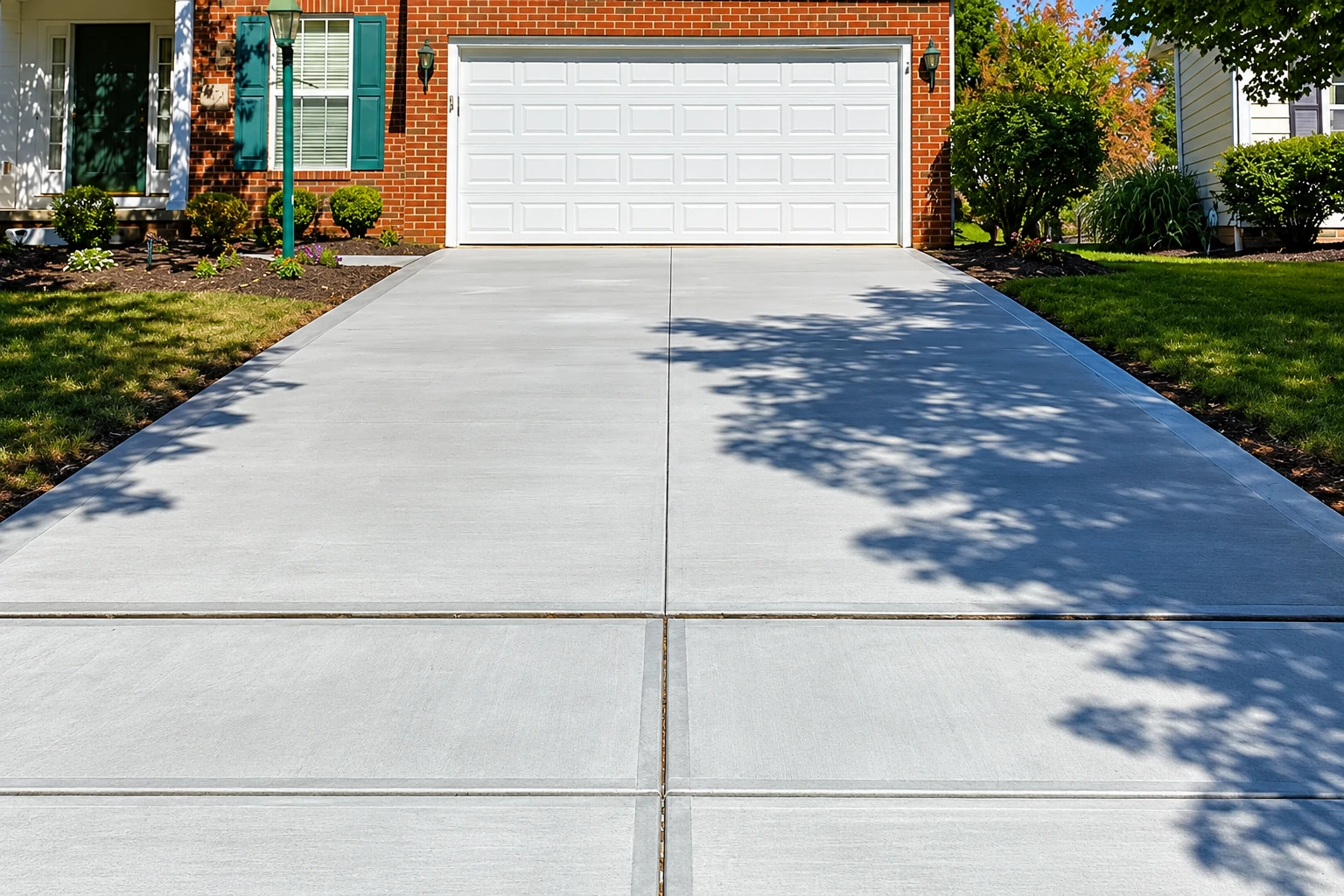
What goes into concrete footings
Most of a footing ends up buried, so the parts of the job you'll never see again are the ones we take the most care with.
Layout and digging
We mark each footing, open any old concrete in the way with concrete cutting, and dig out loose dirt, because a footing on loose fill settles with it.
Water around it
We check where rain and runoff go around the new footings, because soil that stays wet beside a foundation usually moves more than soil that drains.
Forms and rebar
We build forms to hold the shape and tie in rebar, the steel bars that help the concrete hold together under load and when the ground moves.
Pour and cure
We plan the pour to stay out of the hottest part of the day, then let it cure, the slow hardening it needs before anything goes on top.
Tell us about your footings
Send your address, what you plan to build and any soil report, and we'll reply within one business day to book a free estimate at your property, with no obligation.
(424) 275-6479How we plan concrete footings
Footings are hidden the day they're poured, so we put our time into the ground, the sizing and the paperwork before any concrete arrives.
- I visit and stay on site. I come out to look at the ground and write the estimate, then I'm on the job while our crew forms and pours.
- Your soil report first. If you have a soil report we read it before we size anything, and if not we'll talk about whether you should get one.
- Grown from neighbors' jobs. We've been in business since 2020, and it grew out of small concrete jobs I did for neighbors in Redondo Beach.
- Licensed and insured. We're licensed and insured, and you're welcome to ask about either one when I come out for the estimate.
- Start with a call. Call (424) 275-6479 or send us the form with what you plan to build, and I'll come out to look at the ground.
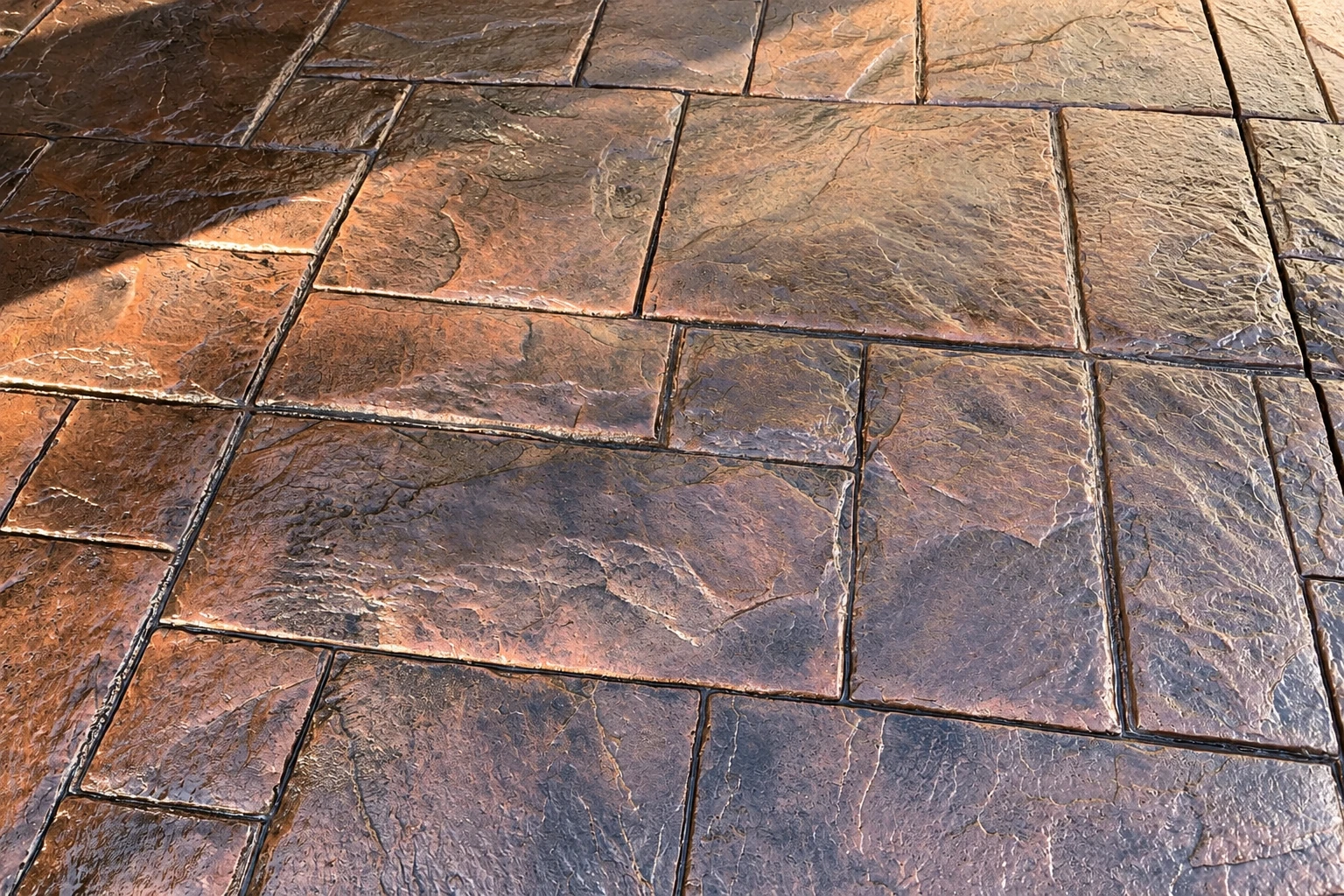
Based in Redondo Beach
Essential Redondo Beach Concrete is based in Redondo Beach and works in the cities around it, including Torrance and Hermosa Beach. If your city isn't listed, call (424) 275-6479 and ask.
From first call to walk-through
I explain each step before I ask anything of you, and we tell you what we learned about the permit before any work starts.
The visit
After you get in touch, I come out to your property, look over the ground and how we'll reach it, and ask what you plan to build and how you'll use it. If you have drawings, I'll go through them with you.
The estimate
The estimate lays out the digging, the footing type and size, and what's included, so you can see how each choice shows up in the price. If something can only be known once the ground is open, I'll say so.
The work
Once you're ready, we settle the permit question, dig and set the forms, and our crew pours and finishes. Before we leave, I walk the finished footings with you so you see what your structure will sit on.
Concrete footing questions in Redondo Beach
What is the difference between continuous and pad footings?
Continuous footings run the full length of a foundation, while pad footings sit under one concentrated load such as a pier or column. Continuous footings cost more to put in, so the type your structure needs shapes the budget from the start. We'll tell you which type fits what you're building at the estimate.
Do I need a soil test before pouring footings?
It's usually worth it, because a soil test before work begins shows how to make up for any weakness in how much weight the ground can carry. Soil that swells when wet and shrinks as it dries can move more than a house tolerates, and that often shows up as cracked floors and walls.
Where do I apply for a building permit in Redondo Beach?
You apply through the city's Building Division, which issues permits for private property from applications made in its online portal. In the coastal zone, the work generally waits on a coastal development permit as well. We find out which office covers your address and handle the permit paperwork when your job needs one.
What kind of contractor does concrete footing work in California?
A concrete contractor does it, and the state licensing board defines that as one who forms, pours, places, finishes and installs concrete work. On a footing job that covers the whole concrete side, from building the forms to finishing the pour, which is the part our crew does.
What causes concrete footings to cost more?
Size is the main driver, since wider, larger footings cost more, and weaker soil calls for wider footings. Some jobs also bring in a structural engineer, mostly when the soil is weak and the planned build is heavier. Our estimate spells out the size and type for your job so you can see where the price comes from.
How do I get ready to dig footings in Redondo Beach?
Before digging, it helps to know whether your lot sits in a state-mapped Seismic Hazard Zone, since those areas likely have weak soil or rock that can fail in an earthquake and need proper precautions during grading and building. The city's construction guide also says state law requires a Dig-alert ID number, from 800-422-4133, before a Permit to Excavate is valid.
Let's plan your Redondo Beach project
Call (424) 275-6479 any day until 10 PM, or send the form with your address and plans, and we'll set a time to look.